
100% OEM Authentic Nissan Parts


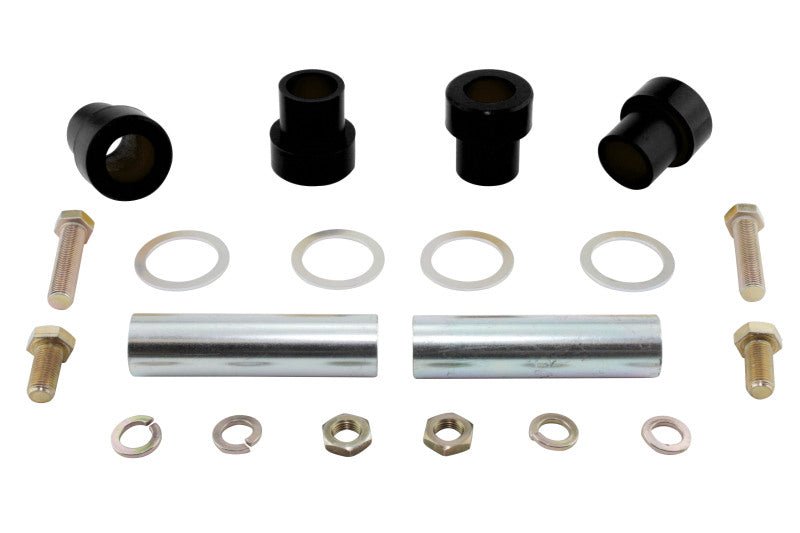
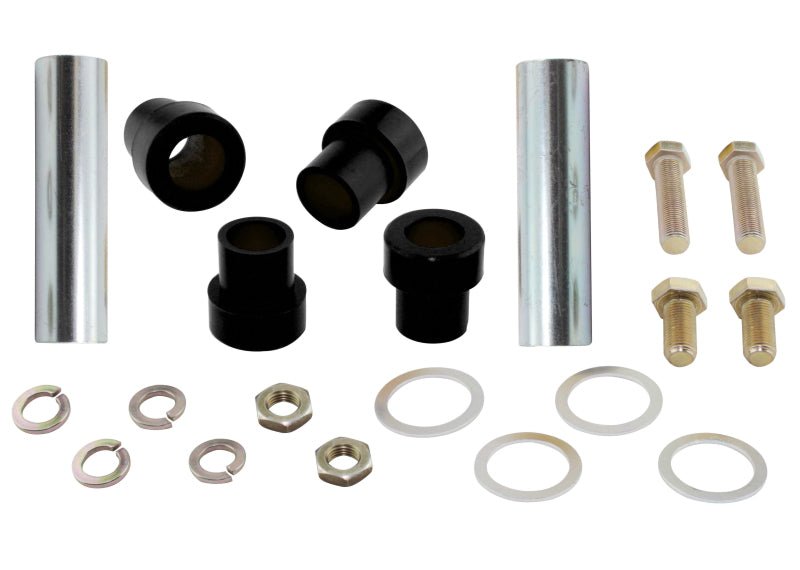
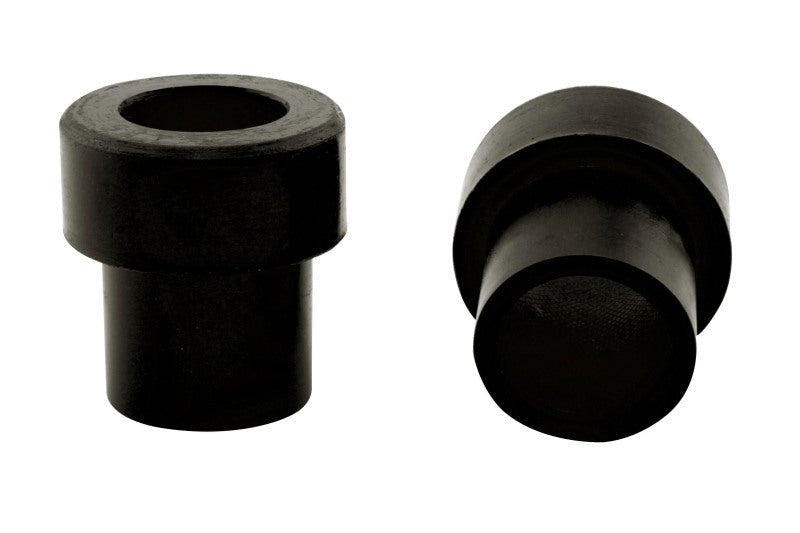
- Camber Correction Control Arm - Upper-Outer
- Adjustment: Adds +/- 1.0deg
- Position: Front
- From 1/93 Thru 12/98 Production Date AWD
- From 11/98 Production Date AWD
ALIGNMENT SETTINGS : WHAT ARE THE BEST ONES?
The simple answer is that there is no such thing!
I know we have probably given more information here than most people wanted, but even this only scratches the surface of the available information and variables that need to be considered when contemplating optimum wheel alignment settings.
The most important thing and something we can not stress enough is the fact that alignment settings are NOT an absolute truth that can be held up as an undisputed rule. It is a dynamic process with the "correct value varying from driver to driver, car to car not to mention the driving environment.
DYNAMIC & STATIC : WHAT ARE YOU TALKING ABOUT?
Typically used when discussing wheel alignment and geometry. By this, Whiteline are referring to the difference in alignment angles between a stationary and a moving vehicle. That is, the same vehicle will typically have different caster, camber and toe readings when it is moving compared to when the alignment was done in static form in the workshop.
In an ideal world, all wheel alignments would be done on a dynamic wheel aligner but these are expensive and quite rare. This concept is very important, as the only suspension angles that really matter are those present while the vehicle is moving (dynamic). What is done to the vehicles alignment while the vehicle is stationary, (static) is a process of trying to predict the levels of change while the vehicle is moving and setting the angles according to these predictions.Whiteline puts a great deal of emphasis on the dynamic geometry so rigorous road testing is essential to ensure that the predictions are valid.
- Camber
- Caster
- Toe
- Geometry
CAMBER: WHAT IS IT?
Camber is the inclination of the wheel from the vertical when viewed from the front. When the top of the wheel leans out you have positive camber, lean in equas negative camber.
Static negative camber is used to compensate for body roll, body distortion and tyre roll under when cornering. Stiffer bodies and tyre sidewalls are in and unnecessary suspension compliance is out. Therefore the previous requirements for large amounts of static negative camber are disappearing. Whiteline strut braces are good for maintaining camber angles under cornering loads as they further minimise body flex.
Its important to highlight the fact that camber settings are ultimately a personal thing. That is, Whiteline can provide an indicative range to start from but the final number will depend on your driving style, average driving conditions, tyre size and many other things. You need to start with a relevant number, then monitor tyre wear and compensate if necessary.
Whiteline have a range of camber adjusting products available to achieve the optimum settings.
CASTER: WHAT IS IT?
Caster is the backward or forward tilt of the steering axis. Vehicle manufacturers are aware of the advantages of caster and as each new model is released the amount of caster specified increases.
Why, because the disadvantages of high levels of castor are being overcome. Rack and pinion steering means less play, lower Ackerman levels, smaller scrub radius (zero is now very common), better and lower profile radial tyres means less sidewall deflection and higher tolerance to greater slip angles. But the greatest obstacle, that of heavy steering effort, has all but disappeared with the universal acceptance of power steering.
High levels of positive caster equate to dynamic negative camber on turn when you need it most. Whiteline continues to put heavy emphasis on additional positive caster when designing new suspension packages
Toe
If you were able to view the front tyres of a vehicle from above the car, you would expect them to look exactly parallel to each other. In fact, they rarely are. The difference in distance between the front edge of the tyres and the rear edge is called toe. Toe describes how close to parallel the two tyres are, and whether they are toed-in (closer at the front of the tyre) or toed-out (closer at the rear of the tyre). The goal of toe is to provide proper tyre wear through various driving conditions. The amount of toe your suspension is set to varies by the drive layout of your vehicle, driving preference, and car's handling characteristics.
On a rear-wheel-driven car, acceleration forces on the tyre tend to push the front tyres back slightly in the wheel well. Static toe-in will result in a zero-toe situation at speed. For a front-wheel-driven vehicle, the front wheels will pull themselves forward in the wheel wells under acceleration. This happens because as the (driven) front wheels claw for traction, they pull themselves forward, dragging the rest of the car along. For this situation, static toe-out will result in a zero-toe condition at speed. Assuming that the rest of the suspension is correctly aligned and maintained, and the tyres properly inflated, toe-in will result in additional understeer for the car. In a corner the inside front tyre will turn at less of an angle than the outside tyre. Additionally, excessive toe-in will result in premature tyre wear through feathering, and increased fuel consumption. Conversely, toe-out will result in additional oversteer for the vehicle. This occurs as the inside front tyre turns at a greater angle than the outside tyre. Thus, in a corner, the inside tyre is trying to turn even more than the heavily-loaded outside tyre. Excessive toe-out will also result in premature tyre wear due to feathering, and increased fuel consumption.
Anti- Geometry
Anti features in suspension systems are a characteristic that can be used to influence the stiffness of the front or rear suspension under traction forces(under braking or accelerating). The individual terms are relatively straightforward and self-explanatory with the anti reducing or totally restricting the characteristic (lifting or diving). In the front suspension there may be levels of anti-dive during braking and anti-lift during accelerating (assuming traction to the front wheels is present), similarly in the rear there could be anti lift during braking and anti-squat during acceleration.
It should also be noted that these characteristic can also be reversed into a pro characteristic (as in pro-lift at the front under braking). Anti features can only be implemented under the influence of the braking or accelerating forces at the wheels, for example a rear wheel drive vehicle cannot have an anti-lift characteristic in the front (as there is no drive to the front wheels).
With the ALK fitted to the Subaru WRX, a softer suspension will be present during braking and accelerating. This will help traction, as the wheel will be able to track the ground more precisely. Also in terms of balance the front end will have a proportionally lower roll resistance during traction or braking, aiding in reducing the power understeer effect that is present in these cars.
Vehicle Fitments:
| Year | Make | Model | Submodel |
|---|---|---|---|
| 1991 - 1998 | Nissan | 240SX | LE |
| 1989 - 1998 | Nissan | 240SX | SE, Base |
| 1989 - 1990 | Nissan | 240SX | XE |
| 1997 - 1998 | Nissan | Skyline | 2.8 Nismo 400R |
| 2001 - 2002 | Nissan | Skyline | 250GT Four, M-Spec, 250GT, 300GT, 250GTe |
| 1998 - 2001 | Nissan | Skyline | 25GT Four, GT, 25GT-X Four, 25GT-X Turbo, 25GT-V, 25GT Turbo, GT-SE, 25GT, 25GT-X |
| 1995 - 2002 | Nissan | Skyline | GT-R, V-Spec |
| 1996 - 1998 | Nissan | Skyline | GTS25 Type-SS, GTS25 Type-X, GTS25t Type-M Spec-I, GTS25t Type-M Spec-II, GTS-4 Type-X, GTS Type-S, GTS Type-X |
| 1995 | Nissan | Skyline | GTS25, GTS25 Type-G, GTS Type-G, GTS25t Type-M AERO, GTS Urban Runner, GTS25t Type-M, GTS-4 Type-G, GTS Urban Runner S, GTS25t Type-G, GTS25 Type-G SE |
| 1995 - 1998 | Nissan | Skyline | GTS25t Type-M ACTIVE LSD, GTS25 Type-S, GTS-4, GTS |
| 2002 | Nissan | Skyline | Nur Spec II, 250GTm, Nur Spec, 350GT-8 |
| 1999 - 2002 | Nissan | Skyline | V-Spec II N1 |
- Camber Correction Control Arm - Upper-Outer
- Adjustment: Adds +/- 1.0deg
- Position: Front
- From 1/93 Thru 12/98 Production Date AWD
- From 11/98 Production Date AWD
ALIGNMENT SETTINGS : WHAT ARE THE BEST ONES?
The simple answer is that there is no such thing!
I know we have probably given more information here than most people wanted, but even this only scratches the surface of the available information and variables that need to be considered when contemplating optimum wheel alignment settings.
The most important thing and something we can not stress enough is the fact that alignment settings are NOT an absolute truth that can be held up as an undisputed rule. It is a dynamic process with the "correct value varying from driver to driver, car to car not to mention the driving environment.
DYNAMIC & STATIC : WHAT ARE YOU TALKING ABOUT?
Typically used when discussing wheel alignment and geometry. By this, Whiteline are referring to the difference in alignment angles between a stationary and a moving vehicle. That is, the same vehicle will typically have different caster, camber and toe readings when it is moving compared to when the alignment was done in static form in the workshop.
In an ideal world, all wheel alignments would be done on a dynamic wheel aligner but these are expensive and quite rare. This concept is very important, as the only suspension angles that really matter are those present while the vehicle is moving (dynamic). What is done to the vehicles alignment while the vehicle is stationary, (static) is a process of trying to predict the levels of change while the vehicle is moving and setting the angles according to these predictions.Whiteline puts a great deal of emphasis on the dynamic geometry so rigorous road testing is essential to ensure that the predictions are valid.
- Camber
- Caster
- Toe
- Geometry
CAMBER: WHAT IS IT?
Camber is the inclination of the wheel from the vertical when viewed from the front. When the top of the wheel leans out you have positive camber, lean in equas negative camber.
Static negative camber is used to compensate for body roll, body distortion and tyre roll under when cornering. Stiffer bodies and tyre sidewalls are in and unnecessary suspension compliance is out. Therefore the previous requirements for large amounts of static negative camber are disappearing. Whiteline strut braces are good for maintaining camber angles under cornering loads as they further minimise body flex.
Its important to highlight the fact that camber settings are ultimately a personal thing. That is, Whiteline can provide an indicative range to start from but the final number will depend on your driving style, average driving conditions, tyre size and many other things. You need to start with a relevant number, then monitor tyre wear and compensate if necessary.
Whiteline have a range of camber adjusting products available to achieve the optimum settings.
CASTER: WHAT IS IT?
Caster is the backward or forward tilt of the steering axis. Vehicle manufacturers are aware of the advantages of caster and as each new model is released the amount of caster specified increases.
Why, because the disadvantages of high levels of castor are being overcome. Rack and pinion steering means less play, lower Ackerman levels, smaller scrub radius (zero is now very common), better and lower profile radial tyres means less sidewall deflection and higher tolerance to greater slip angles. But the greatest obstacle, that of heavy steering effort, has all but disappeared with the universal acceptance of power steering.
High levels of positive caster equate to dynamic negative camber on turn when you need it most. Whiteline continues to put heavy emphasis on additional positive caster when designing new suspension packages
Toe
If you were able to view the front tyres of a vehicle from above the car, you would expect them to look exactly parallel to each other. In fact, they rarely are. The difference in distance between the front edge of the tyres and the rear edge is called toe. Toe describes how close to parallel the two tyres are, and whether they are toed-in (closer at the front of the tyre) or toed-out (closer at the rear of the tyre). The goal of toe is to provide proper tyre wear through various driving conditions. The amount of toe your suspension is set to varies by the drive layout of your vehicle, driving preference, and car's handling characteristics.
On a rear-wheel-driven car, acceleration forces on the tyre tend to push the front tyres back slightly in the wheel well. Static toe-in will result in a zero-toe situation at speed. For a front-wheel-driven vehicle, the front wheels will pull themselves forward in the wheel wells under acceleration. This happens because as the (driven) front wheels claw for traction, they pull themselves forward, dragging the rest of the car along. For this situation, static toe-out will result in a zero-toe condition at speed. Assuming that the rest of the suspension is correctly aligned and maintained, and the tyres properly inflated, toe-in will result in additional understeer for the car. In a corner the inside front tyre will turn at less of an angle than the outside tyre. Additionally, excessive toe-in will result in premature tyre wear through feathering, and increased fuel consumption. Conversely, toe-out will result in additional oversteer for the vehicle. This occurs as the inside front tyre turns at a greater angle than the outside tyre. Thus, in a corner, the inside tyre is trying to turn even more than the heavily-loaded outside tyre. Excessive toe-out will also result in premature tyre wear due to feathering, and increased fuel consumption.
Anti- Geometry
Anti features in suspension systems are a characteristic that can be used to influence the stiffness of the front or rear suspension under traction forces(under braking or accelerating). The individual terms are relatively straightforward and self-explanatory with the anti reducing or totally restricting the characteristic (lifting or diving). In the front suspension there may be levels of anti-dive during braking and anti-lift during accelerating (assuming traction to the front wheels is present), similarly in the rear there could be anti lift during braking and anti-squat during acceleration.
It should also be noted that these characteristic can also be reversed into a pro characteristic (as in pro-lift at the front under braking). Anti features can only be implemented under the influence of the braking or accelerating forces at the wheels, for example a rear wheel drive vehicle cannot have an anti-lift characteristic in the front (as there is no drive to the front wheels).
With the ALK fitted to the Subaru WRX, a softer suspension will be present during braking and accelerating. This will help traction, as the wheel will be able to track the ground more precisely. Also in terms of balance the front end will have a proportionally lower roll resistance during traction or braking, aiding in reducing the power understeer effect that is present in these cars.
Vehicle Fitments:
| Year | Make | Model | Submodel |
|---|---|---|---|
| 1991 - 1998 | Nissan | 240SX | LE |
| 1989 - 1998 | Nissan | 240SX | SE, Base |
| 1989 - 1990 | Nissan | 240SX | XE |
| 1997 - 1998 | Nissan | Skyline | 2.8 Nismo 400R |
| 2001 - 2002 | Nissan | Skyline | 250GT Four, M-Spec, 250GT, 300GT, 250GTe |
| 1998 - 2001 | Nissan | Skyline | 25GT Four, GT, 25GT-X Four, 25GT-X Turbo, 25GT-V, 25GT Turbo, GT-SE, 25GT, 25GT-X |
| 1995 - 2002 | Nissan | Skyline | GT-R, V-Spec |
| 1996 - 1998 | Nissan | Skyline | GTS25 Type-SS, GTS25 Type-X, GTS25t Type-M Spec-I, GTS25t Type-M Spec-II, GTS-4 Type-X, GTS Type-S, GTS Type-X |
| 1995 | Nissan | Skyline | GTS25, GTS25 Type-G, GTS Type-G, GTS25t Type-M AERO, GTS Urban Runner, GTS25t Type-M, GTS-4 Type-G, GTS Urban Runner S, GTS25t Type-G, GTS25 Type-G SE |
| 1995 - 1998 | Nissan | Skyline | GTS25t Type-M ACTIVE LSD, GTS25 Type-S, GTS-4, GTS |
| 2002 | Nissan | Skyline | Nur Spec II, 250GTm, Nur Spec, 350GT-8 |
| 1999 - 2002 | Nissan | Skyline | V-Spec II N1 |
Frequently Asked Questions
Find answers to common questions about our products and services
Once your order ships, you'll receive a confirmation email with your tracking number and a link to track your shipment in real time. You can also track your order anytime by visiting the Order Status page using the link in your confirmation email. If you haven't received tracking info within 2–3 business days of your order, please contact us at Nizmopartsplug@gmail.com and we'll look into it right away.
We accept returns within 30 days of delivery on unused, uninstalled items in original packaging. A 20% restocking fee applies to eligible returns. Certain items are non-returnable, including electronic parts, special orders, and installed parts. Defective or incorrect items must be reported within 7 days. For full details, please review our Return Policy page before purchasing.
Yes — all parts sold on NizmoPartsPlug are brand new unless explicitly stated otherwise in the product listing. We source genuine OEM Nissan components and authentic aftermarket parts directly from trusted suppliers. If a part is used, refurbished, or a core charge item, it will be clearly noted in the product title and description.
Absolutely — if you don't see the part you need listed on our site, reach out to us at Nizmopartsplug@gmail.com or call us at (908) 265-4568 with the part number and we'll do our best to source it for you. We specialize in OEM Nissan and JDM components and have access to an extensive supplier network. Please note that special order parts may require a deposit and are non-returnable once ordered.
A core charge is a refundable deposit included in the price of select parts. It ensures that your old/used unit (the "core") is returned to us for remanufacturing or recycling. Once we receive your core in acceptable condition, the core charge is fully refunded. The exact core charge amount varies by item and will be listed in the product description. For questions about the core charge on a specific product, please contact us before purchasing and we'll be happy to clarify the amount, condition requirements, and refund process.
-
Store Pickup
Pickup available at Union, New Jersey
-
FAST Shipping
In Stock orders ship out Quickly
-
Secure Payment
Powered by Shopify and Stripe
Customer Reviews
See what people are saying
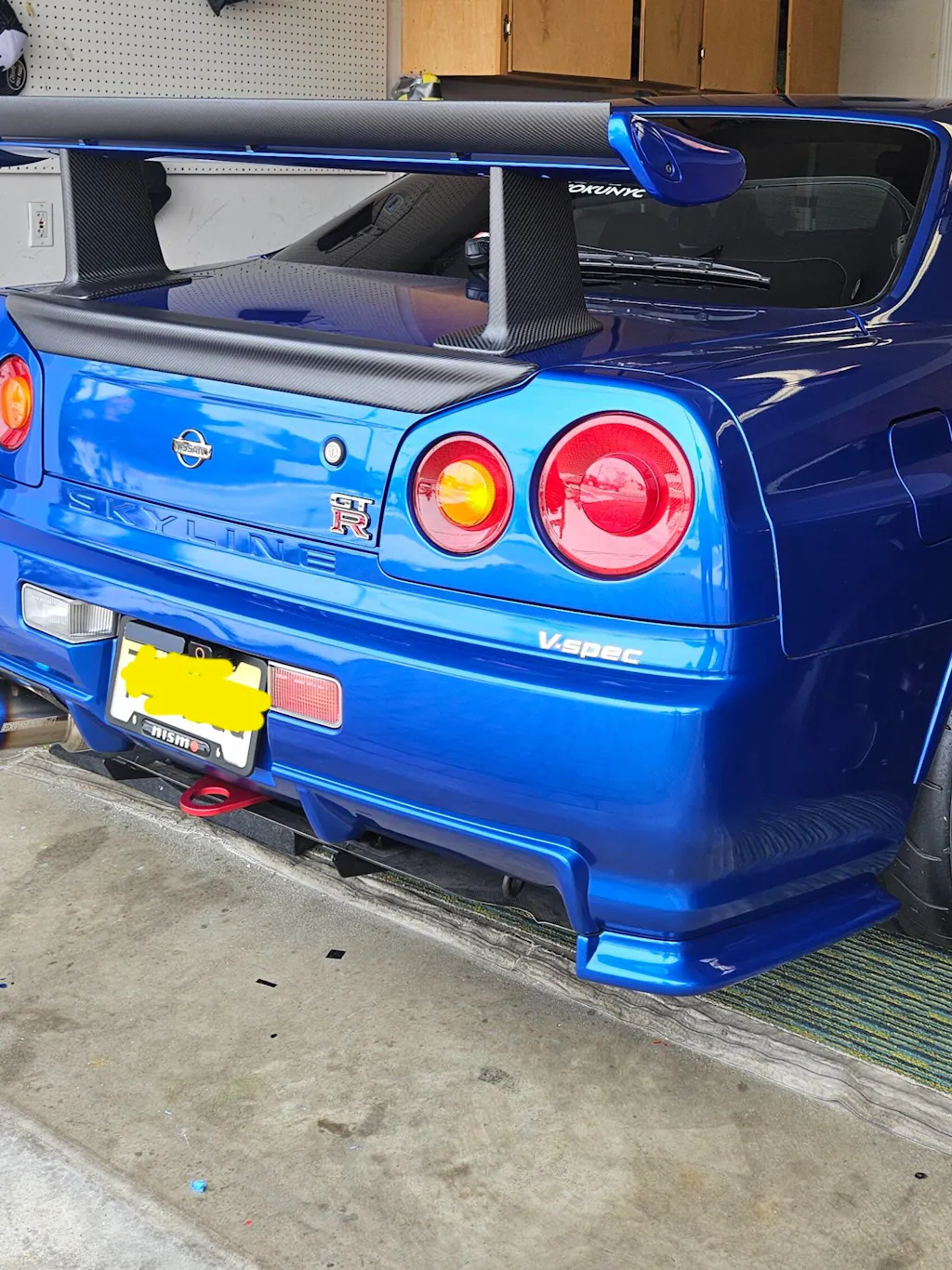
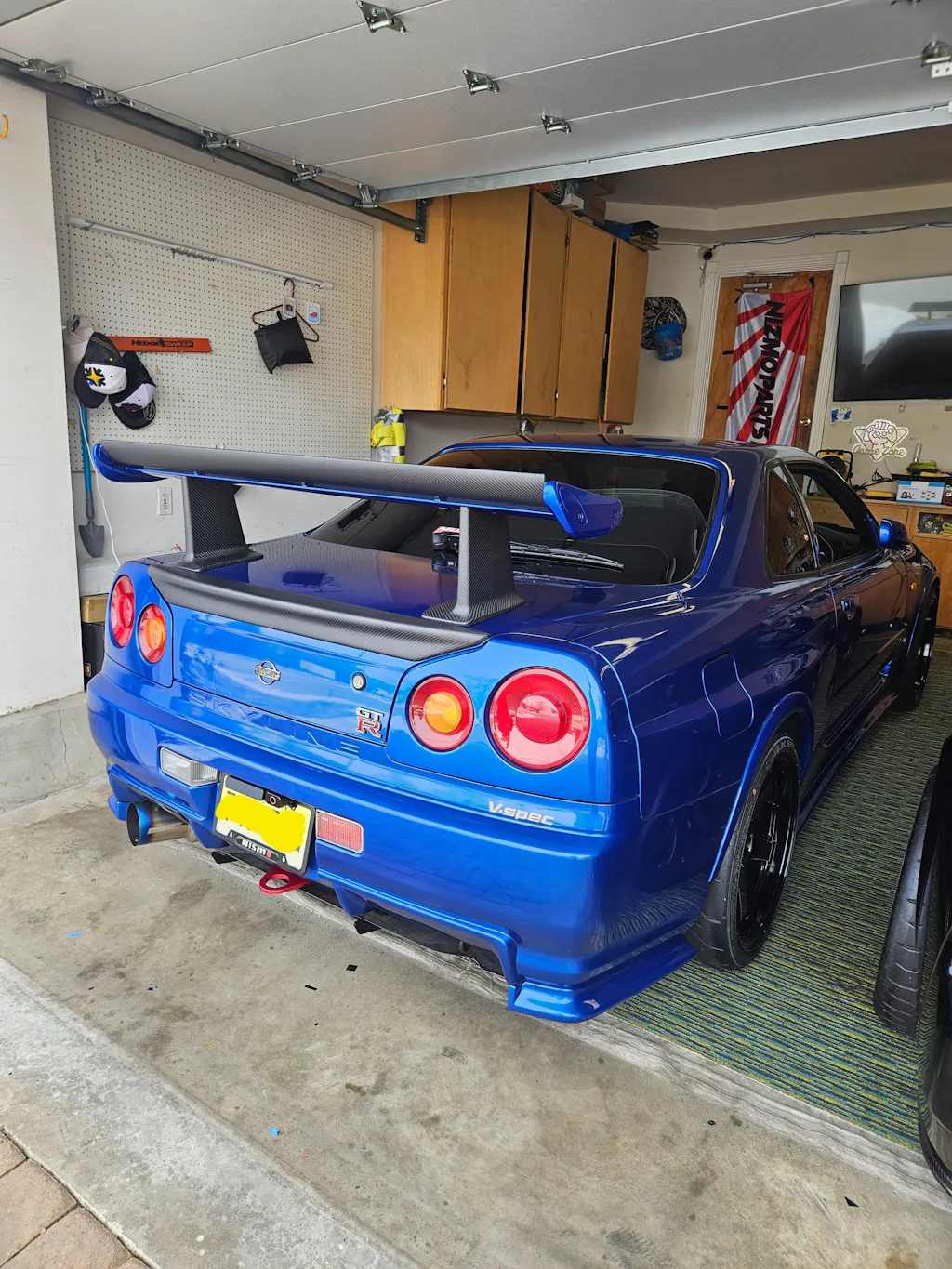
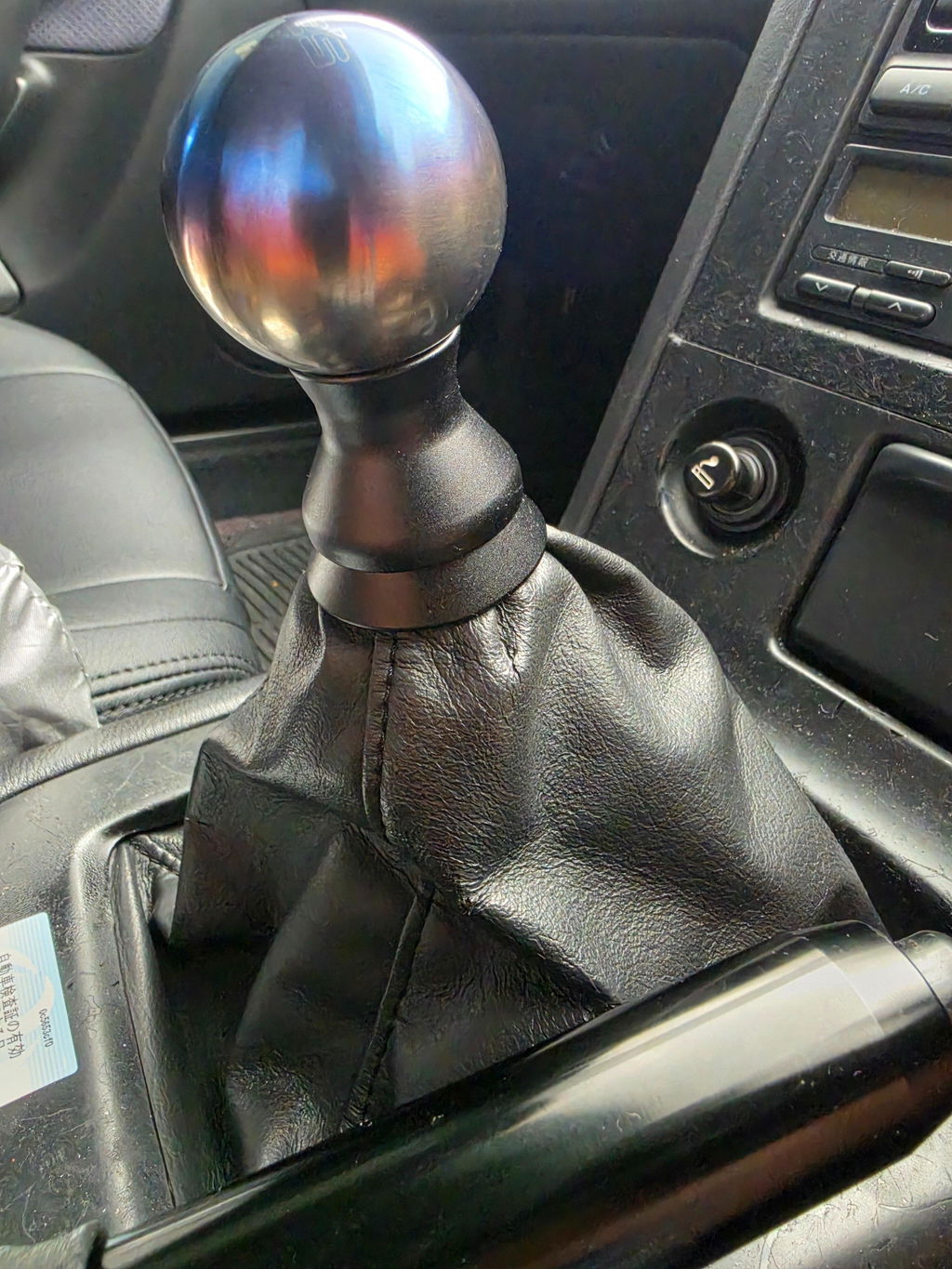
Item as described. super fast shipping. I highly recommend this item so that shifter gap no longer exists.
Always come in clutch! NPP for your Nissan and Nismo Parts
Hallo hier ist Nick aus Deutschland,
danke für den super schnellen Versand und den klasse Service.
Kann man nur weiterempfehlen.
Lg Nick
Thank you so much. For a girl like me not actually knowing wtf it’s amazing to have someone to have my back when getting parts so I seriously appreciate this avenue of obtaining parts for the car. It’s like you know unlike others when you go to a random store. #skylinelifestyle lol
Dylan worked with my mechanic to help me get a brand new transmission for my car and it needed a lot of extras and he helped my mechanic find what they needed to get the job done. It was awesome. Anytime I need to get a part I just ask him and he’s super helpful. I trust that I’m getting the right part for me car. Thanks a ton.
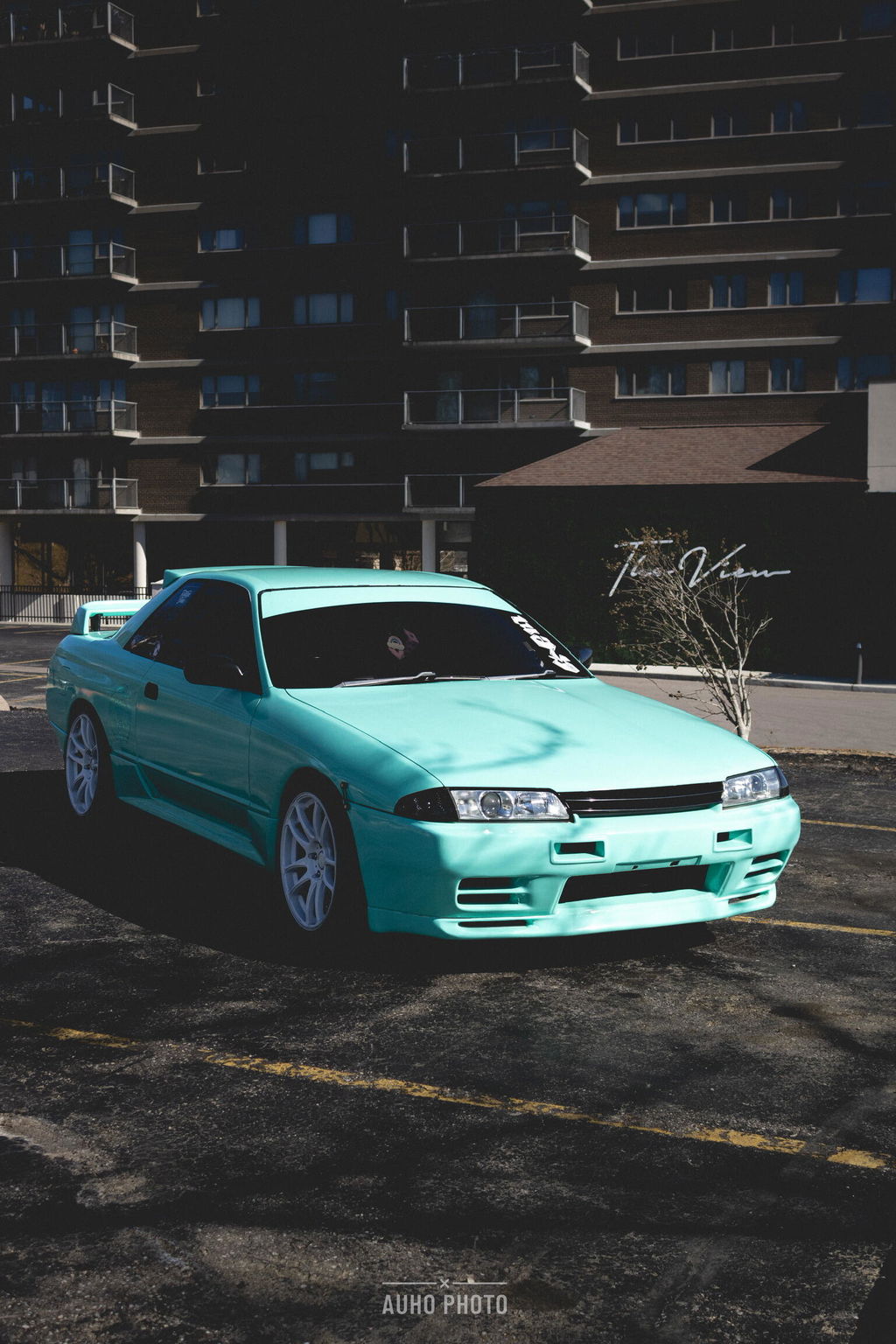
Dylan and his team are amazing! Always answer all my annoying questions in a fast and accurate manner. Part quality is amazing and shipping happened faster than expected. Will always shop here first!!
The dedication and commitment that NPP provides to customer service is truly unparalleled. Every interaction reflects a genuine willingness to help, and it’s clear that NPP is both highly knowledgeable and passionate about what he does.
I’ve purchased various Nissan parts from NPP, and each one has been of top-notch quality — exactly as described and perfectly suited to my vehicle. The attention to detail, reliability, and professionalism make NPP my go-to source for all things Nissan.
Highly recommended for anyone looking for quality parts and outstanding service!
Dylan is very knowledgeable on all Nissan parts and will take the time to explain and help customers get the right products. Quick response to questions and extremely fast shipping and processing times. The best to go to for all nissan and nismo parts!


ONLY ORIGINAL MAINTENANCE PARTS
USE CODE : "RHDGUYS " AT CHECKOUT SAVE 5% ON MAINTENANCE PARTS
Contact Us
Please fill out the form below and we’ll get back to you within 24 hours.


